
From Playa del Carmen to Tulum: The Mixed-Use Question Investors Should Ask First
Mixed-use land sounds flexible, and flexibility is attractive. But in the Riviera Maya, flexibility can become a trap if an investor does not define the project before falling in love with the location. The smarter starting point is not, ‘What can we build here?’ It is, ‘Which demand already exists here, and which demand is realistically coming next?’
Between Playa del Carmen and Tulum, the answer changes every few kilometers. Some sites serve residents. Some serve hotel guests. Some serve workers, operators, suppliers or visitors moving between destinations. That is why Selva Comercial’s Playa del Carmen commercial inventory and Tulum commercial inventory should be read as two parts of one corridor, not as separate islands in a spreadsheet.
The first test: daily use or destination use?
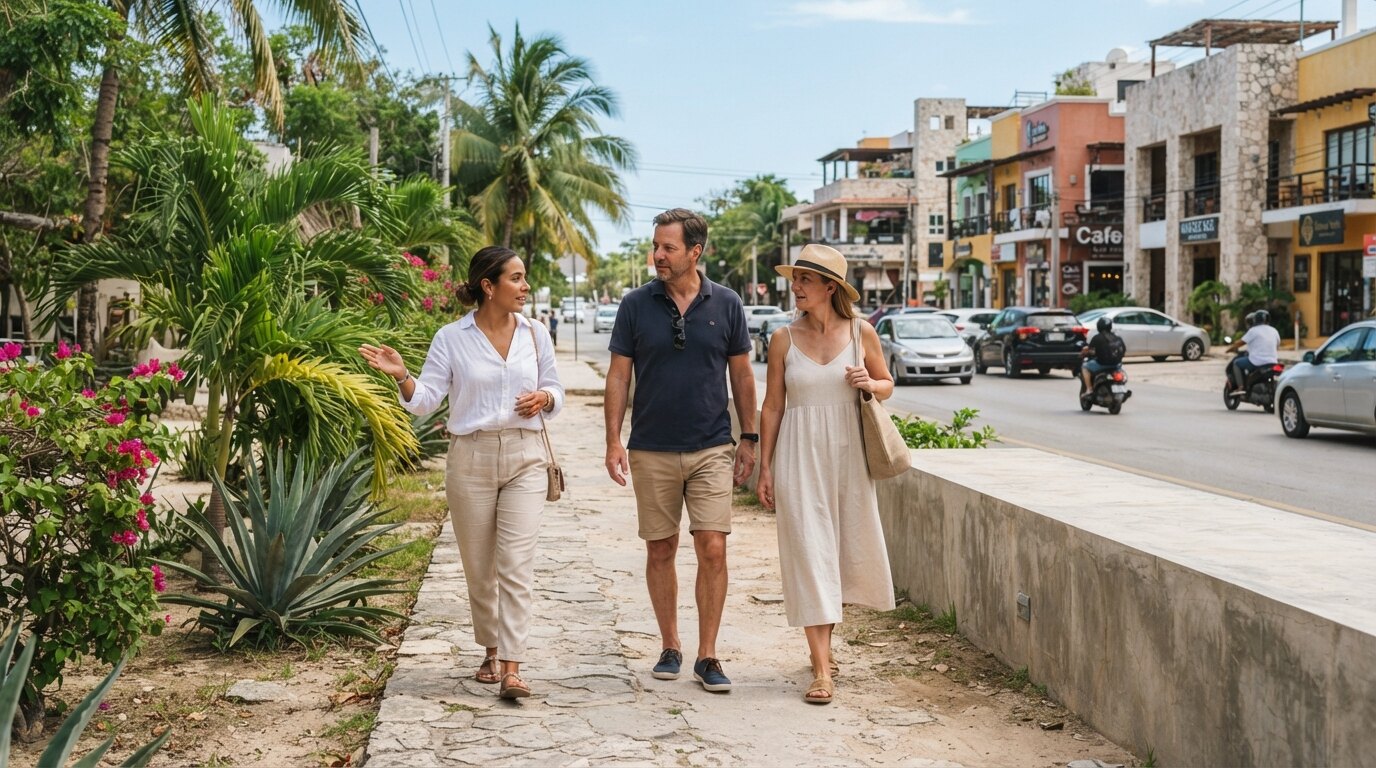
Every mixed-use conversation should begin by separating daily use from destination use. Daily-use projects solve frequent needs: groceries, services, clinics, cafés, small offices, storage, neighborhood retail and local mobility. Destination-use projects depend more on tourists, hospitality, restaurants, beach access, views and brand experience. Both can work, but they are not the same business.
A large site such as the 20 hectares of mixed-use land at the entrance to Playa del Carmen is naturally a daily-use and corridor-use conversation. Its value is not only that it is in Playa del Carmen; it is that the city continues to absorb residential, service and commercial demand beyond the traditional tourist core. That type of site needs urban thinking: access, phasing, anchors, internal circulation, service areas and compatibility between uses.
A smaller or more specialized lot in Tulum may ask for a different lens. It may be less about serving a whole city and more about positioning a concept correctly: boutique hospitality, wellness retail, restaurant frontage, mobility, or supporting services for a dense hospitality area. Same region, completely different investor homework.
Playa del Carmen: where mixed-use can become urban infrastructure
Playa del Carmen has matured past the idea that one avenue explains the market. The famous tourist areas remain important, but the city’s commercial future also depends on where residents live, where workers commute, where schools and services concentrate, and where new communities need everyday infrastructure. That makes mixed-use land more than a speculative asset; it can become the base for services a growing city actually needs.
Selva Comercial’s land for sale in Playa del Carmen includes different scales and contexts. Some properties are better suited for residential-commercial planning. Others can support neighborhood services, medical offices, restaurants or retail. The key is to avoid treating all land as if it had the same highest and best use. It does not. A site near a growth corridor should be measured differently from a site near tourist foot traffic.
A practical Playa checklist
For Playa del Carmen, investors should review three things before talking design. First, does the site connect to where people already move? Second, can the proposed use be operated without creating access or parking problems? Third, does the project solve a real demand gap, or is it just trying to copy what already works somewhere else? Copy-paste development is not strategy; it is real estate karaoke.
Retail can still be powerful in Playa, especially around established flows. Selva Comercial’s inventory of commercial properties in Playa del Carmen includes local and land opportunities that allow buyers to compare operating assets with development land. That comparison is useful because not every investor should develop from zero. Some should buy a location; others should buy optionality.
Tulum: mixed-use with a hospitality heartbeat
Tulum has a different rhythm. It is not only about daily convenience; it is also about experience, arrival, design, privacy, nature and brand. That can create stronger upside for the right project, but it can also create more execution risk. In Tulum, a mixed-use project has to be more disciplined about environmental context, infrastructure, design intensity and operational sustainability.
The beachfront commercial lot in Tulum with dual access illustrates why. Beachfront matters for guest experience, but road access matters for operations. A project that ignores service access, parking logic, delivery movement or staff circulation may look beautiful on a render and then suffer in real life. Investors should like beauty, but they should love functional beauty.
When reviewing land for sale in Tulum, the conversation should include use, density, environmental restrictions, nearby demand, infrastructure timing and who the project is actually for. Is it hospitality? Restaurant? Retail? Wellness? Residential-commercial? The answer changes the land evaluation.
Infrastructure headlines are useful, but they are not the investment plan
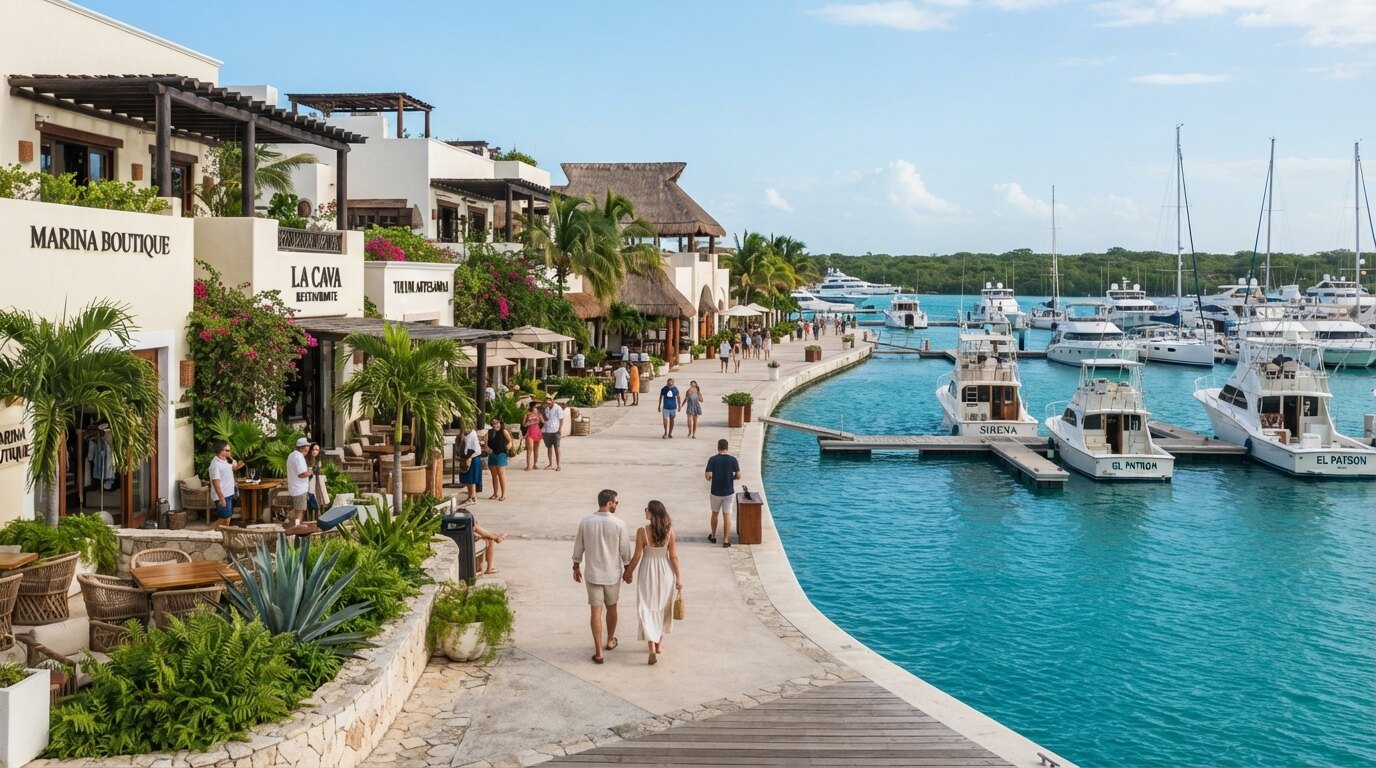
Public infrastructure and tourism promotion can support demand, but they do not replace due diligence. The Tren Maya, regional airport access, highway movement and destination marketing all help explain why the corridor keeps attracting attention. Still, a land buyer should avoid the lazy jump from ‘more infrastructure’ to ‘any site works.’ That leap is where expensive mistakes live.
The best way to use infrastructure news is as context. If a route improves mobility, ask which sites become easier to reach. If tourism grows, ask which services are still missing. If a destination attracts more long-stay visitors, ask what businesses serve those stays. If regulation tightens, ask which projects are actually compliant. News should sharpen the investment thesis, not decorate it.
How to choose between a big land play and a sharper niche
A large mixed-use site can offer phasing, optionality and long-term planning. It can also demand more capital, stronger permitting discipline, deeper operational partners and patient execution. A smaller niche site can move faster, especially when the buyer already knows the operator: restaurant, medical clinic, boutique hotel, service retail or showroom. Neither is automatically better.
For a large-canvas strategy, review assets such as mixed-use land at the entrance to Playa del Carmen. For a high-visibility hospitality or beachfront strategy, compare options like Tulum Hotel Zone commercial beachfront land. The real work is matching the investor’s capital, timeline and operating plan with the site’s legal and physical reality.
The investor’s question that saves time
Before visiting five properties, write one sentence: ‘This asset should make money by serving ____.’ If the blank is vague, do not tour yet. If the blank is clear, the tour becomes sharper. You start seeing access, traffic, frontage, neighbor uses, service gaps and risk instead of just views and vibes.
For Selva Comercial, this is also how the blog strategy should sell without pushing too hard. The article teaches the buyer how to think, then points toward real land where that thinking can be applied. That feels more human than screaming opportunity in every paragraph like a mall kiosk with a microphone.
Selva & Co Realty
Compare mixed-use land opportunities in the Riviera Maya
Selva Comercial can help you evaluate Playa del Carmen and Tulum commercial land by access, permitted use, project fit and long-term investment strategy.
Request a Riviera Maya land review
The images shown are for reference purposes only and may not represent reality.